
Electric Vehicles
Whether you have a long commute, a large family, or just need a car to run errands, there's an electric vehicle for you! Choose among hybrid, plug-in hybrid, or battery electric vehicles from your most trusted car brands to meet your driving needs.
The cleaner the vehicle, the more money you can get. Many programs prioritize funding for cleaner vehicles.

Battery Electric Vehicles
Cleanest option
Plug-in only and has the most money available.

Plug-in Hybrid Vehicles
Clean option
Uses gas and can also be plugged in.

Hybrid Vehicles
Least clean option
Only uses gas and has the least money available.
Four ways to charge your new electric vehicle
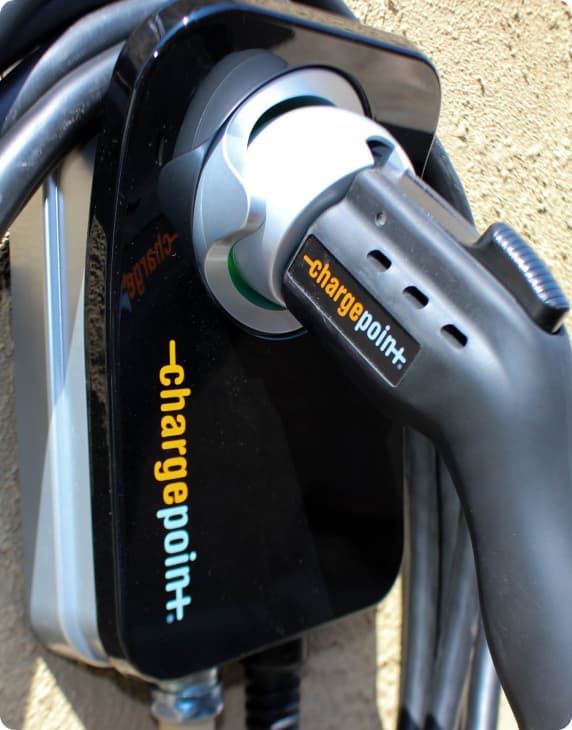
Level 1 Charging
A charging cord comes with your electric vehicle that can plug into a standard 120V electrical outlet in your home. This cord provides the slowest charging, typically 3-5 miles of driving range per hour of charging.
Level 2 Charging
Level 2 charging cords are sold separately and typically charge 3-7 times faster than a Level 1 charger. They must be plugged into a 240V outlet, which usually needs to be installed by an electrician. It can cost $1,500-$2,000 to purchase and install a Level 2 charger, but there are many programs available to cover this expense.
DC Fast Charging
DC Fast Chargers are the fastest option available and can charge 100-200 miles in 30 minutes. These chargers are only available in public places such as shopping and travel centers. This charger must only be used with fast charging ports - check with your manufacturer to determine if your EV is compatible!
Public Charging
If you don't have access to a standard 120V wall outlet where you park, or if you are not able to install a Level 2 charger at home, you can use public or workplace charging stations. Find your nearest charging stations here: https://www.plugshare.com/
Clean Cars for All really helped me and my family get into a green ultra-low emission vehicle, and for that I am happy and so is mother earth.
Types of Electric Vehicles
Battery Electric Vehicle
A battery electric vehicle is a car that runs only on electricity. All you need to do is charge the battery from a standard home power outlet! You don't need to fill it up with gas, get the oil changed, or do other engine maintenance which can save you a lot of money over time. It's the cleanest car you can drive with the most amount of funding available. An electric car may be a good choice for you if:
- You can park in a place with a power outlet
- You use your car for mostly local trips of 200 miles or less
- You have access to public charging stations
Cleanest option
Plug-in only and does not use gas

Incentive amount
Has the most money available

Travel distance
100-400 mile charge

Cost
These vehicles cost more up front. But because maintenance and charging cost less than gas, they'll save you more money over time.
Plug-in Hybrid Electric Vehicle
Plug-in hybrid electric vehicles (some people just call them "plug-ins") have both an electric motor and an engine that runs on gas. You can charge it with electricity, fill it with gas, or both. Compared to traditional hybrids, these vehicles are cleaner and have more funding available. A plug-in may be a good choice for you if:
- You can park in a place with a power outlet
- You often travel distances greater than 200 miles
- You need the option of a larger or high clearance vehicle
Clean option
Uses gas and can also be plugged in
Incentive amount
Has some money available
Travel distance
20-60 mile charge
Cost
These vehicles have slightly higher up front costs, but can save you more money over time. If you can use the all-electric mode often, then the cost savings will be higher.
Hybrid Electric Vehicle
Hybrid electric cars (some people just call them hybrids) run on gas, but have an electric motor that works with the gasoline engine to improve gas mileage. Less fuel means less pollution and fewer trips to the gas station. Please note that there is less funding available for these vehicles and some programs don't offer grants and/or rebates for hybrids altogether. A hybrid may be a good choice for you if:
- You are not able to park in a place with a power outlet
- You do not have access to public charging stations
- You regularly travel distances greater than 200 miles
- You need the option of a larger or high clearance vehicle
Least clean option
Uses only gas
Incentive amount
Has the least money available
Travel distance
~45 MPG
Cost
You'll pay less for this car up front, but it will cost more in gas over time.
Frequently asked questions
Yes. While the exact cost varies based on the price you pay for electricity, driving on electricity is significantly cheaper than driving on gasoline. On average in California, the electric charge equivalent of a gallon of gas costs just $1.83 (Source: US Department of Energy). Plus you'll never need an oil change.
Changes to your electric bill will depend on things like your usage, your local electricity rates, and what time of day you charge your car. Most utilities have special rate programs for EV drivers and discounts for income-qualified customers. If you own your home, you may qualify for a no-cost solar electric system from the Energy for All program. To see if you qualify, click on the “Find Programs” button below.
Electric car batteries are designed to last more than 10 years. California law requires electric cars to have at least a 10-year or 150,000-mile warranty.
Insuring an EV is just like insuring a gas car. The price of insurance will depend on the cost of the car, combined with other factors like your driving record, where you live, how much you drive, and your deductible. Insurance for battery electric vehicles tends to cost a little more because the cars are more expensive. You can get quotes from your insurance company before you decide to buy.